
Reduce repetitive work
Remove avoidable data entry, duplication and manual handovers so that time can be directed towards review, judgement and action.
Finance Systems & Digital Transformation
Work with us to shape systems, workflows and reporting around the way your business operates and what it needs to achieve.
Well designed finance technology can reduce manual effort, strengthen controls and make financial information available when people need it. Its value depends on how effectively the system reflects the business’s processes, responsibilities, reporting requirements and future direction.
We help businesses locally and globally choose, introduce and improve the tools that sit behind their finance operations. This may involve setting up or migrating an accounting platform, removing avoidable steps from a workflow, developing management dashboards or reshaping a wider finance process. We take the time to understand what is happening on the ground, translate it into a workable design and remain involved as the change is put into practice.
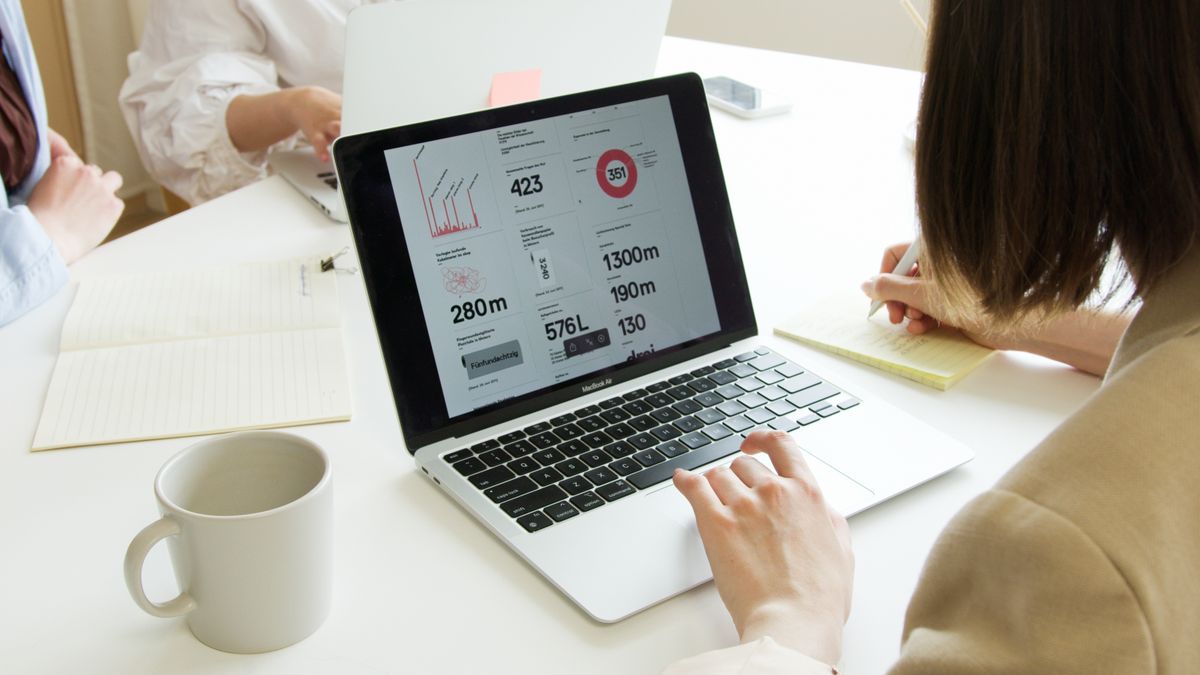
Finance professionals add their greatest value when they can interpret information, investigate what sits behind the numbers and contribute to decisions. Well designed systems should take care of more routine activity, giving people greater capacity for analysis, judgement and higher-level work.
Remove avoidable data entry, duplication and manual handovers so that time can be directed towards review, judgement and action.
Help data move reliably between people, processes and platforms, with fewer workarounds and less time spent chasing inputs.
Create dashboards and reporting processes that bring relevant information into view earlier and make it easier to interpret.
Establish defined approvals, responsibilities and records of activity within the workflow rather than relying on follow up after the event.
Develop an operating environment that can accommodate increasing transaction volumes, additional entities, new reporting requirements and changing business needs.
The result should be visible in the day to day operation: dependable routines, information that arrives when it is useful and a finance team with greater capacity to contribute across the business.
The starting point may be a new accounting platform, a recurring process that absorbs too much time, reporting that needs a different approach or a wider change across several entities. We can address one defined requirement or help carry a broader transformation programme through to implementation.
Setting up accounting platforms, core workflows, approval processes and reporting arrangements from the outset.
Improving systems and processes that need to accommodate greater transaction volumes, additional people, new entities or more demanding reporting requirements.
Removing inefficiencies, introducing automation, developing dashboards or improving how existing platforms are used.
Supporting migration, standardisation and finance transformation work involving different systems, reporting formats and internal stakeholders.
Our Finance Systems & Digital Transformation services extend beyond Singapore. Our leadership’s international finance experience enables us to work with businesses and finance teams in different locations, accommodating varied reporting environments and group structures while coordinating with internal stakeholders and local specialists.
The requirement may be as focused as redesigning a chart of accounts or automating an approval route, or as broad as changing how finance operates across a group. We define the work around the intended outcome and the systems, people and processes already in place.
Set up or move accounting platforms, including systems such as Xero, QuickBooks & other ERP platforms such as MS Dynamics. The work may cover configuration, chart of accounts design, data migration, opening balances, user access and the reporting structure needed after implementation.
Identify recurring finance and administrative tasks that can be handled more efficiently through automation. This may include approval routes, document workflows, data transfers, recurring notifications and selected AI-supported processes using tools suited to the client’s environment.
Develop management dashboards and reporting tools that turn agreed financial and operational measures into accessible information. This may include Power BI dashboards, reporting templates, data source alignment and the presentation of key performance measures.
Review how work currently moves through the finance function and address duplication, delays, unclear handovers or control gaps. We can redesign responsibilities, approval points and working procedures so that the process is easier to follow and manage.
Plan and carry through broader technology enabled changes to the finance function. This may include developing a transformation roadmap, coordinating system and process changes, supporting implementation and helping teams adopt new ways of working.
The five areas can be engaged separately or combined where systems, processes and reporting need to change together.
We begin by tracing how work is currently completed – where information originates, how it moves, who reviews it and what the business needs from the process. This allows us to identify what should be retained, simplified, automated or redesigned before a tool is selected or configured.
Review the people, activities, systems, information flows and control points involved, including the practical issues experienced by those doing the work.
Define the future process, responsibilities, approvals, reporting outputs and technology requirements, taking account of the wider finance environment.
Configure the agreed solution, coordinate migration or workflow changes, test how it performs and address issues before it becomes part of everyday operations.
Provide documentation, guidance or training appropriate to the engagement, then refine the arrangement as users begin working with it in practice.
Automation and AI are considered where they can perform repeatable tasks dependably. Human review, judgement and accountability remain part of the design, combining the consistency of technology with the experience of the people using it.
We remain focused on the working result after implementation: whether the team can use the arrangement effectively, responsibilities are understood and the change has improved the work it was introduced to address.

Our role centres on the finance and process requirements – defining what the business needs, redesigning workflows, shaping reporting outputs, supporting system configuration and coordinating implementation. Where custom development, complex integrations, cybersecurity, infrastructure or specialised product engineering are required, we can work alongside the client’s internal technology team, software vendor or another qualified provider. These services are finance led and do not extend to general managed IT or cybersecurity provision.
Your proposal will set out the deliverables, responsibilities, timetable and fees. The engagement may cover a defined project, a series of phases or continuing involvement where further development and refinement are needed.
Fees reflect the scale and complexity of the work, the systems involved, the condition and volume of any data, and the implementation or coordination required. Software licences, subscriptions and specialist provider charges are separate where applicable. These costs will be identified before commitment, and any material change to the agreed scope will be discussed with you before additional work proceeds.
It can include accounting system setup and migration, workflow automation, management dashboards, reporting tools, finance process improvement and wider transformation programmes. The work may address one defined requirement or several areas that need to change together.
Our role is finance led. We focus on how systems, processes, controls and reporting should operate, while coordinating with technology teams, software vendors or other specialists where their expertise is required.
Yes. We can assess what the business needs from its accounting system, consider suitable platforms and help configure the selected option. Our experience spans across multiple systems, although the recommendation will depend on the organisation’s requirements and existing technology environment.
Migration work may include chart of accounts design, opening balances, agreed historical data, user access, reporting configuration, testing and handover. The information to be transferred and the validation required will be agreed after the source data and the capabilities of both systems have been reviewed.
Not necessarily. Meaningful improvements may be possible through better configuration, redesigned workflows, clearer responsibilities, automation or new reporting tools around the existing system.
We will first examine what the current arrangement can support. A replacement would be recommended only where the existing platform materially limits the required outcome, and the reasons, implications and available options would be discussed before a decision is made.
Recurring, rule based activities are generally the strongest candidates. These may include approval routing, document filing, reminders, selected data transfers, reporting refreshes and parts of transaction processing or reconciliation preparation.
The appropriate level of automation depends on the quality of the underlying data, the consistency of the process and the systems involved. Human review remains important for exceptions, estimates, sensitive approvals, interpretation and decisions requiring professional or commercial judgement.
Yes. Internal teams contribute knowledge of the organisation, its systems and its working practices, while software providers and technical specialists may be needed for product configuration, integrations or infrastructure.
We can define the finance and process requirements, coordinate the relevant parties and help keep the work aligned with its intended outcome. Responsibilities and decision authority will be agreed at the beginning of the engagement.
The required information, access method, users and duration will be agreed before access is provided. Wherever possible, we will use client approved accounts and controls, request only the permissions needed for the work and follow the organisation’s applicable information security and data handling requirements.
The proposal or implementation plan can also address data transfer, retention and the removal of access when the work ends. Where a specialist security assessment is required, this should be performed by the client’s technology or cybersecurity provider.
We treat the security and privacy of client data with the utmost importance and handle it in accordance with applicable data protection laws and the agreed terms of the engagement.
Yes. These services are available to businesses in Singapore and internationally. We can work across different accounting platforms, reporting environments, currencies and group structures while coordinating with teams and providers in different locations.
Where the project involves jurisdiction specific legal, regulatory, data protection or technical requirements, we can work with the client’s appointed local specialists or other appropriately qualified advisers.
Whether you are improving one recurring process, introducing a new accounting platform, developing management dashboards or undertaking a wider transformation, we can help define the work and carry it through. Start with the outcome you want from finance, and we will help translate it into a workable plan.